Evidence-based guides to toxic chemicals hiding in everyday products — and the non-toxic alternatives that actually work. Cookware, mattresses, baby gear, personal care, and more.
Browse by Category
Six product categories with the highest potential for chemical exposure — and where to start.
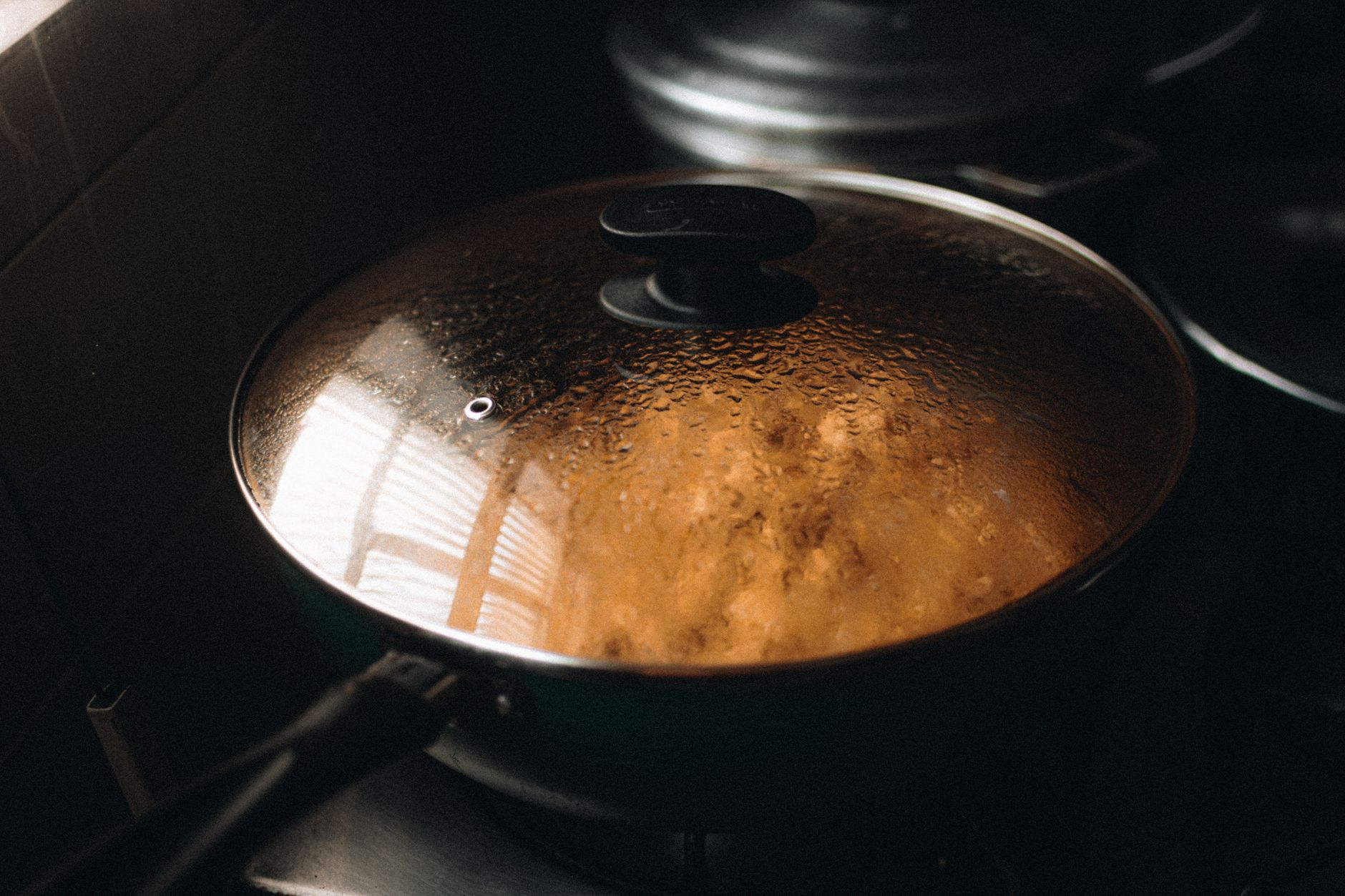
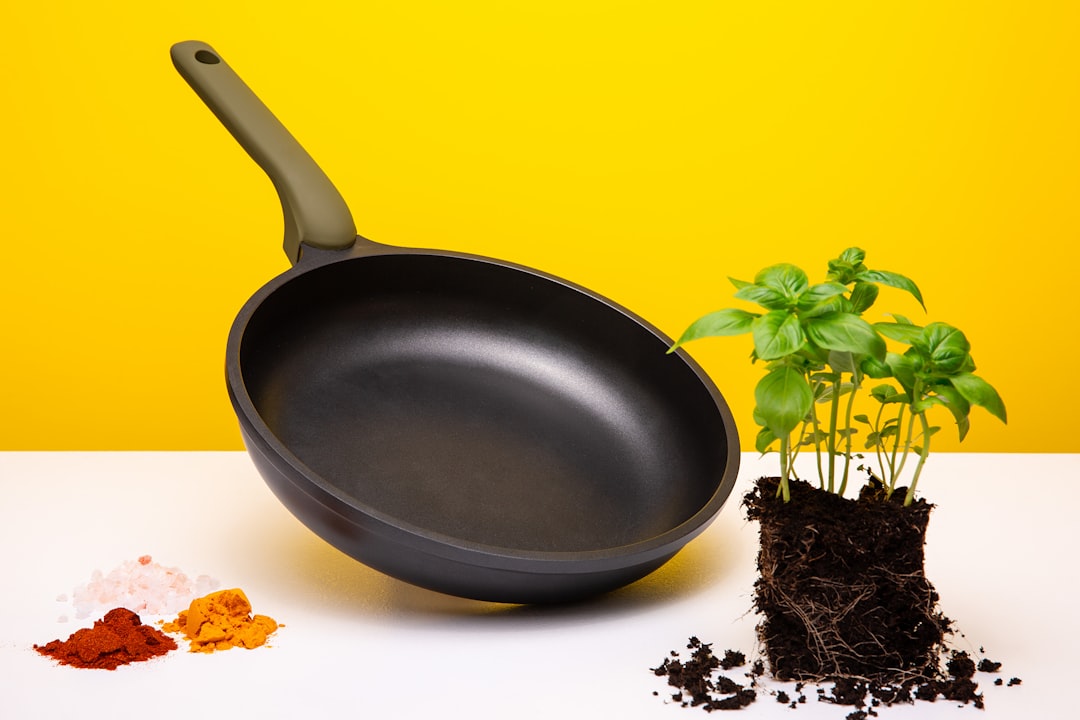
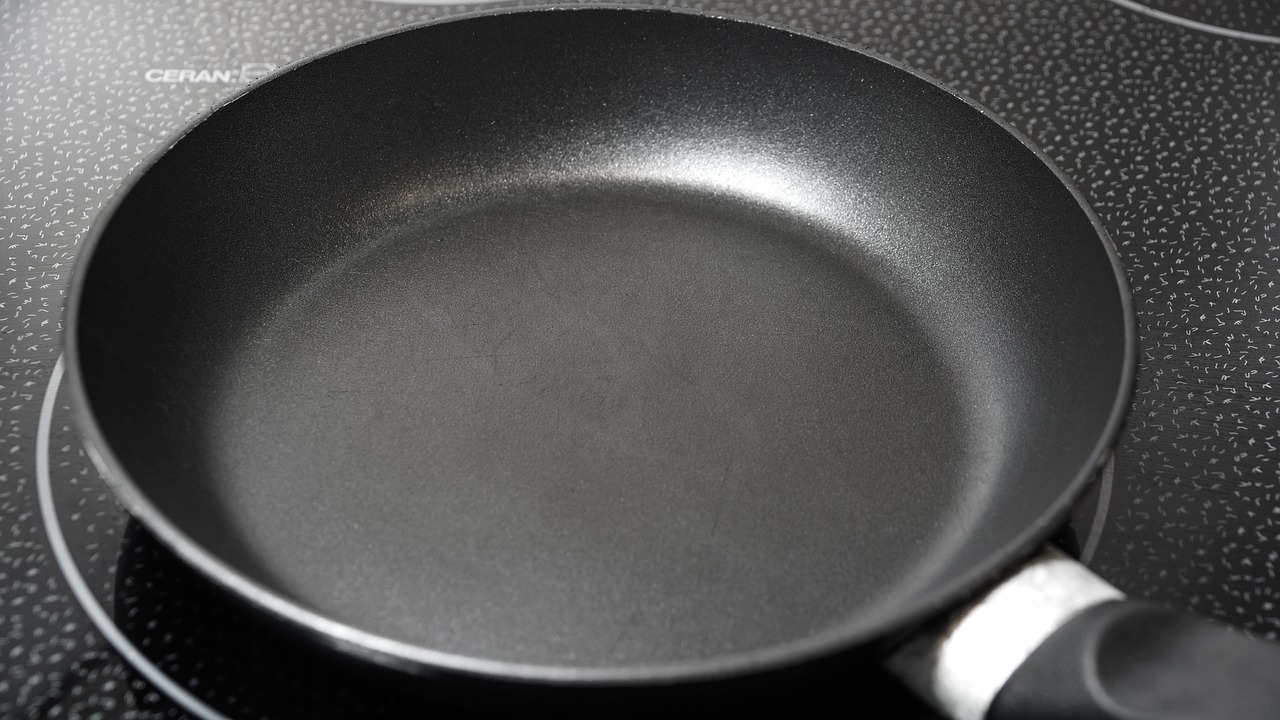
PFAS, PTFE, PFOA — what your pans are made of and what to switch to
Flame retardants, VOCs, and off-gassing — 8 hours of exposure every night
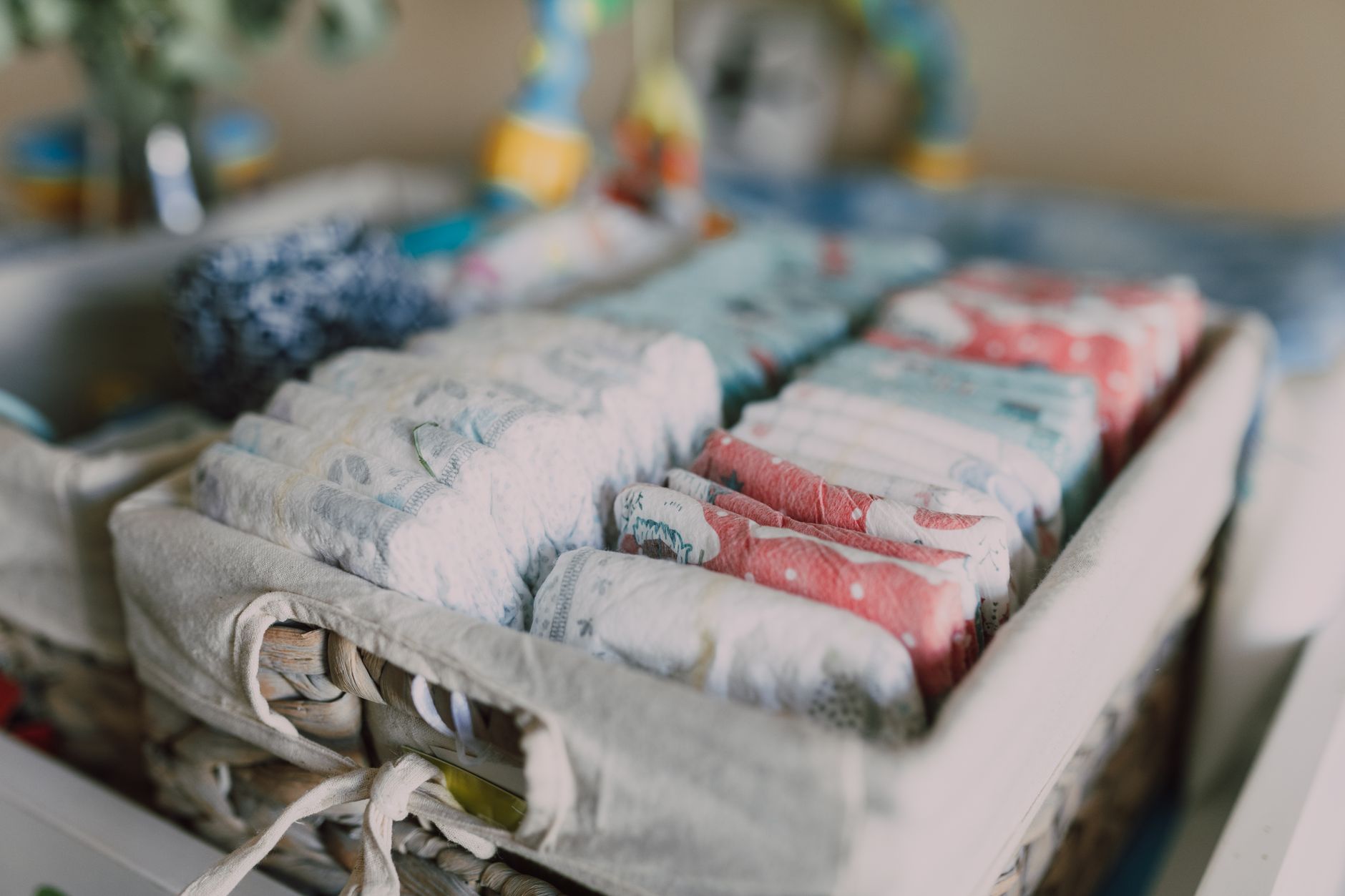
Infants are most vulnerable — what to avoid and safer alternatives
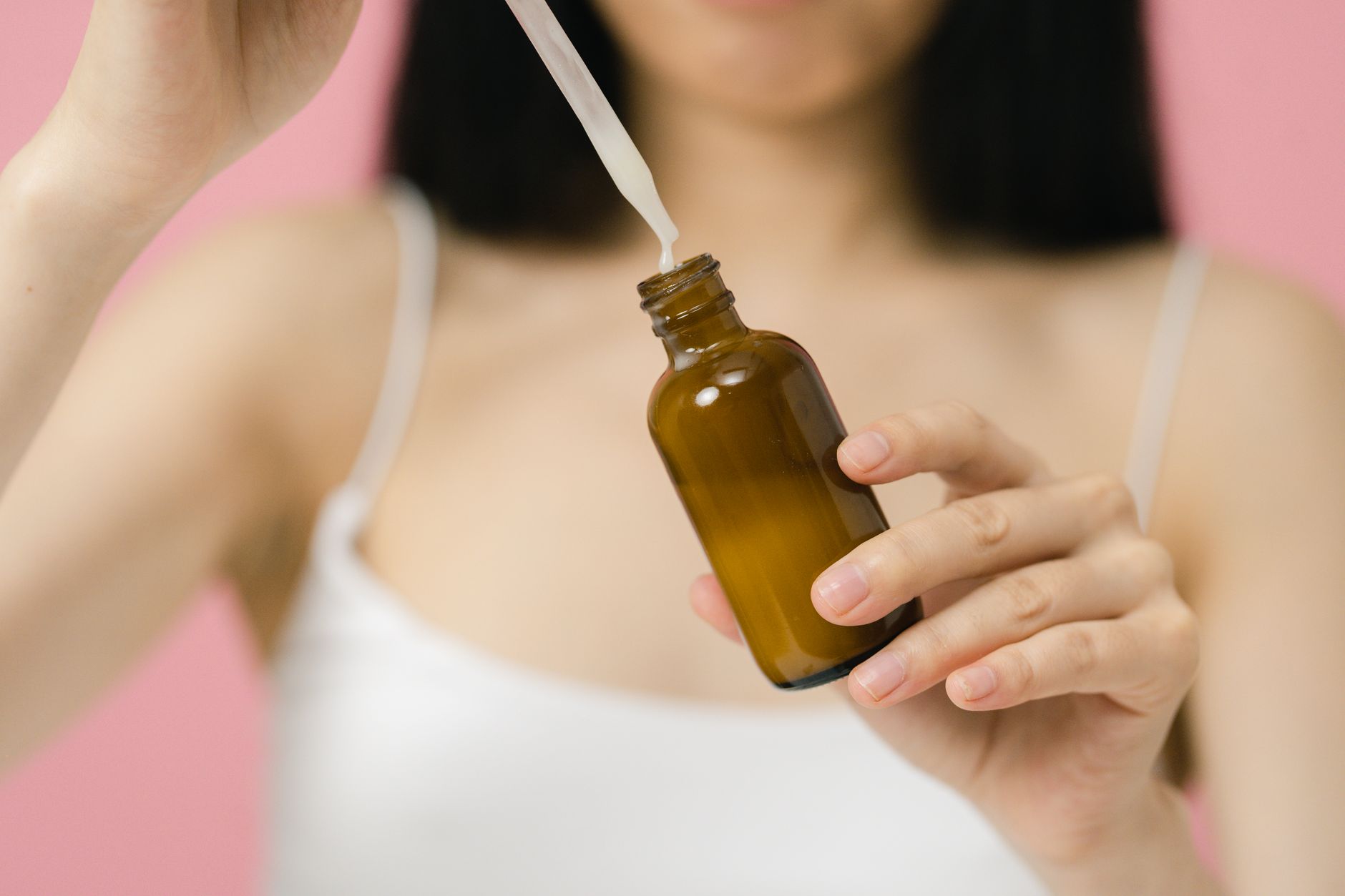
Parabens, phthalates, synthetic fragrance — what's in your shampoo and lotion
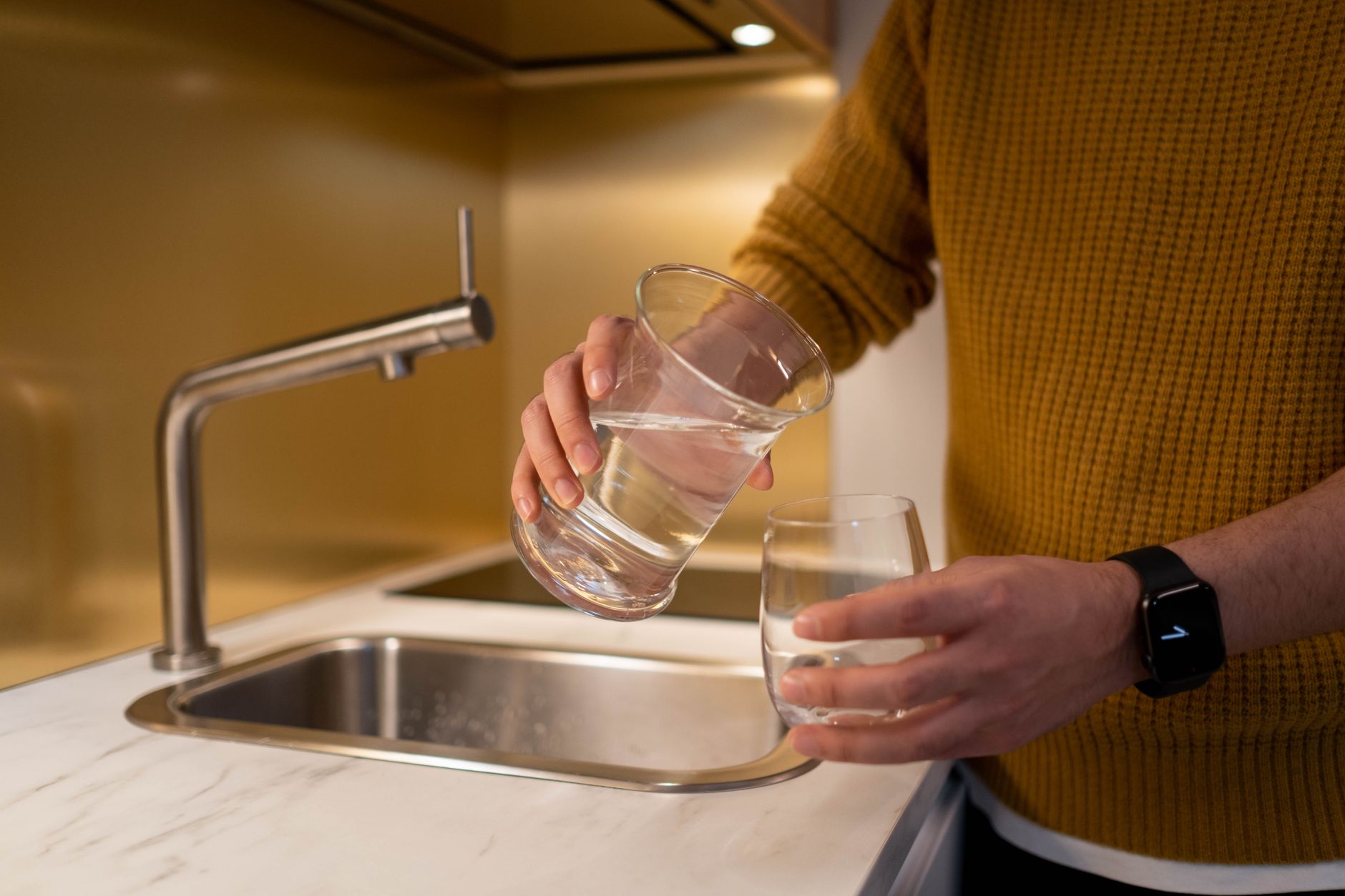
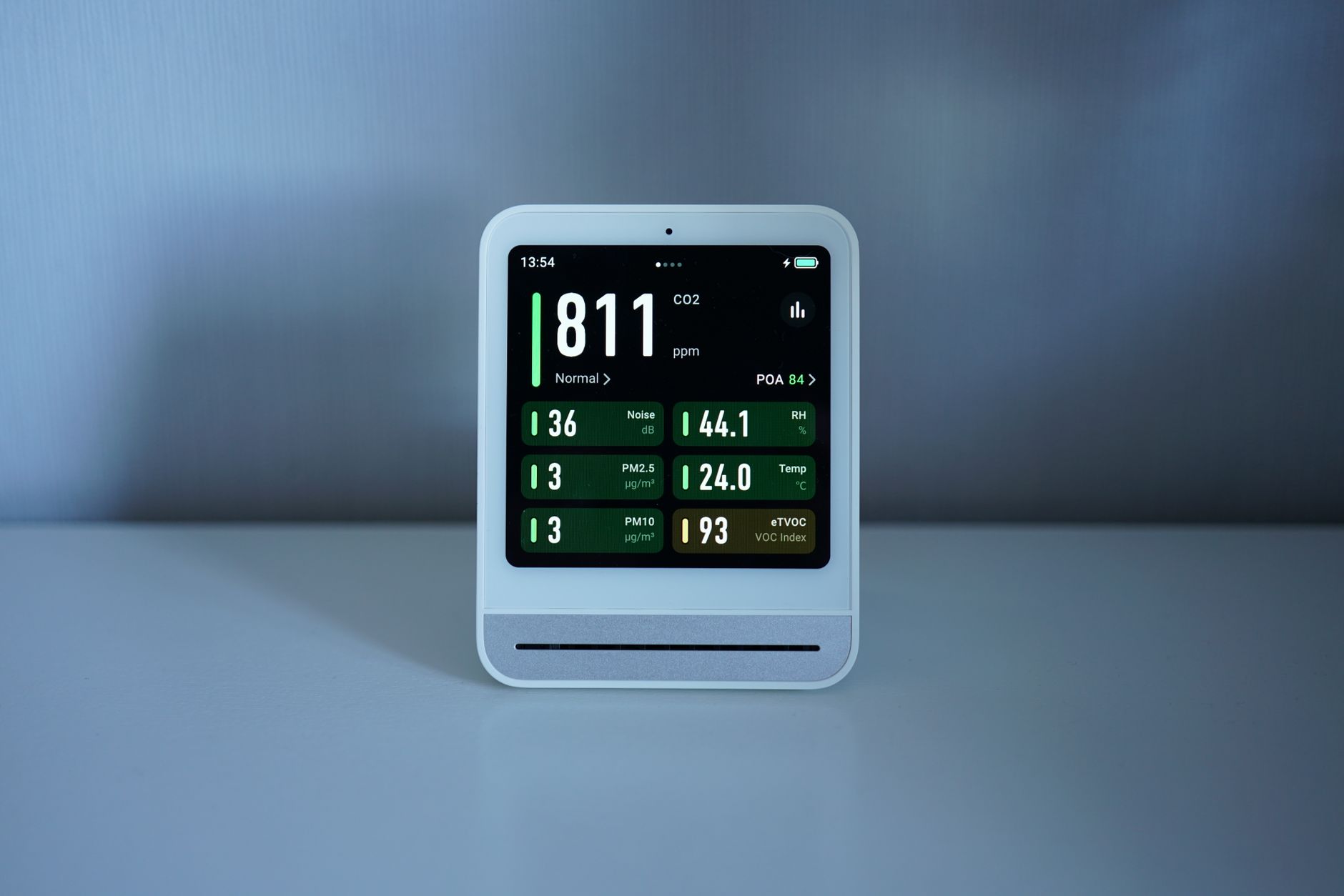
PFAS in tap water, VOCs in indoor air — the filters that actually work
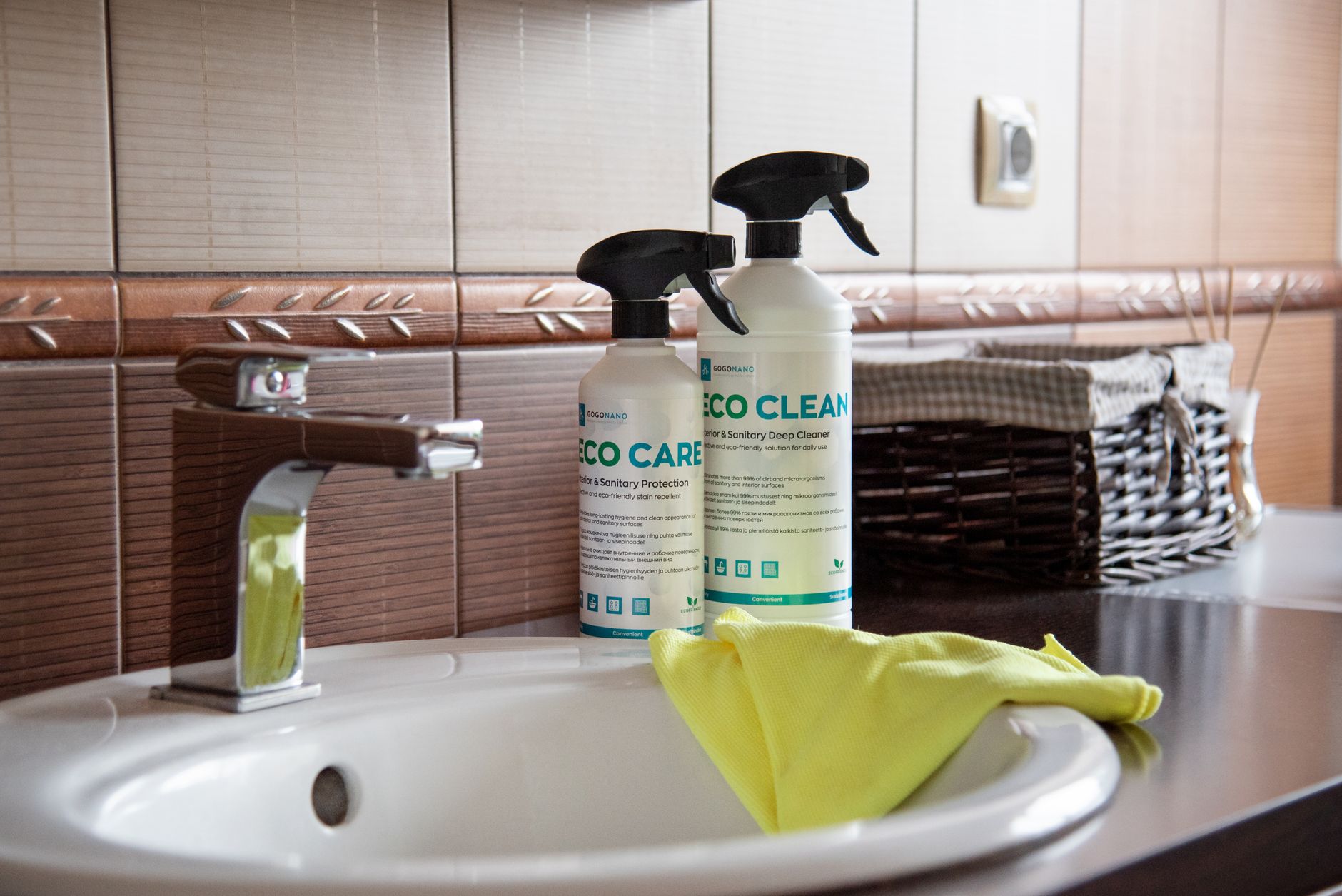
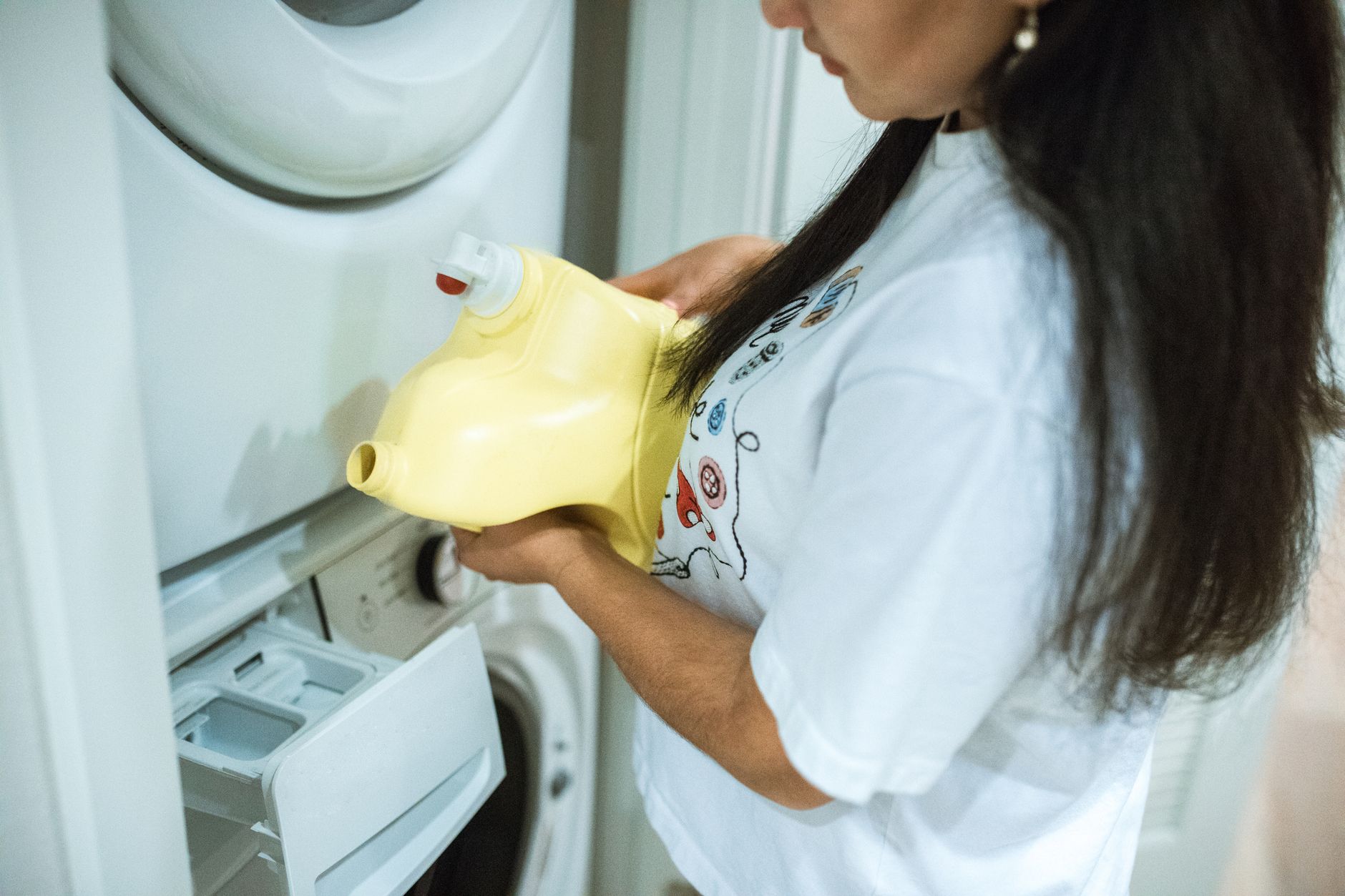
Chlorine bleach, ammonia, synthetic fragrance — safer options for every task
Featured Guides
Our most thorough product guides — updated with current research and tested recommendations.
🍳 Cookware
PFAS-free pans ranked: cast iron, stainless, carbon steel, and ceramic options compared for safety, durability, and performance.
🔬 Research
How PFAS enter food from cookware, what temperatures cause release, and what health effects current research links to exposure.
🛏️ Mattresses
Mattresses without flame retardant chemicals or off-gassing VOCs — ranked by certifications, materials, and real-world results.
💧 Water
Reverse osmosis vs. carbon block filters — which actually remove PFAS, how to read lab results, and the filters that pass independent testing.
👶 Baby
Infant exposures to toxic chemicals are disproportionately harmful. What to avoid in cribs, bottles, toys, skincare, and food packaging.
🧴 Personal Care
Parabens, phthalates, formaldehyde releasers, and synthetic fragrance — what they are, where they hide, and what to use instead.
💨 Air
HEPA alone doesn't capture VOCs and formaldehyde. What to look for in an air purifier, and which models actually reduce chemical concentrations.
🧹 Cleaning
The cleaning products that don't compromise indoor air quality — and the "natural" brands that still use concerning ingredients.
📊 Tools
Step-by-step guide to using EWG's database to check any personal care product in seconds — what the scores mean and how to read ingredient flags.
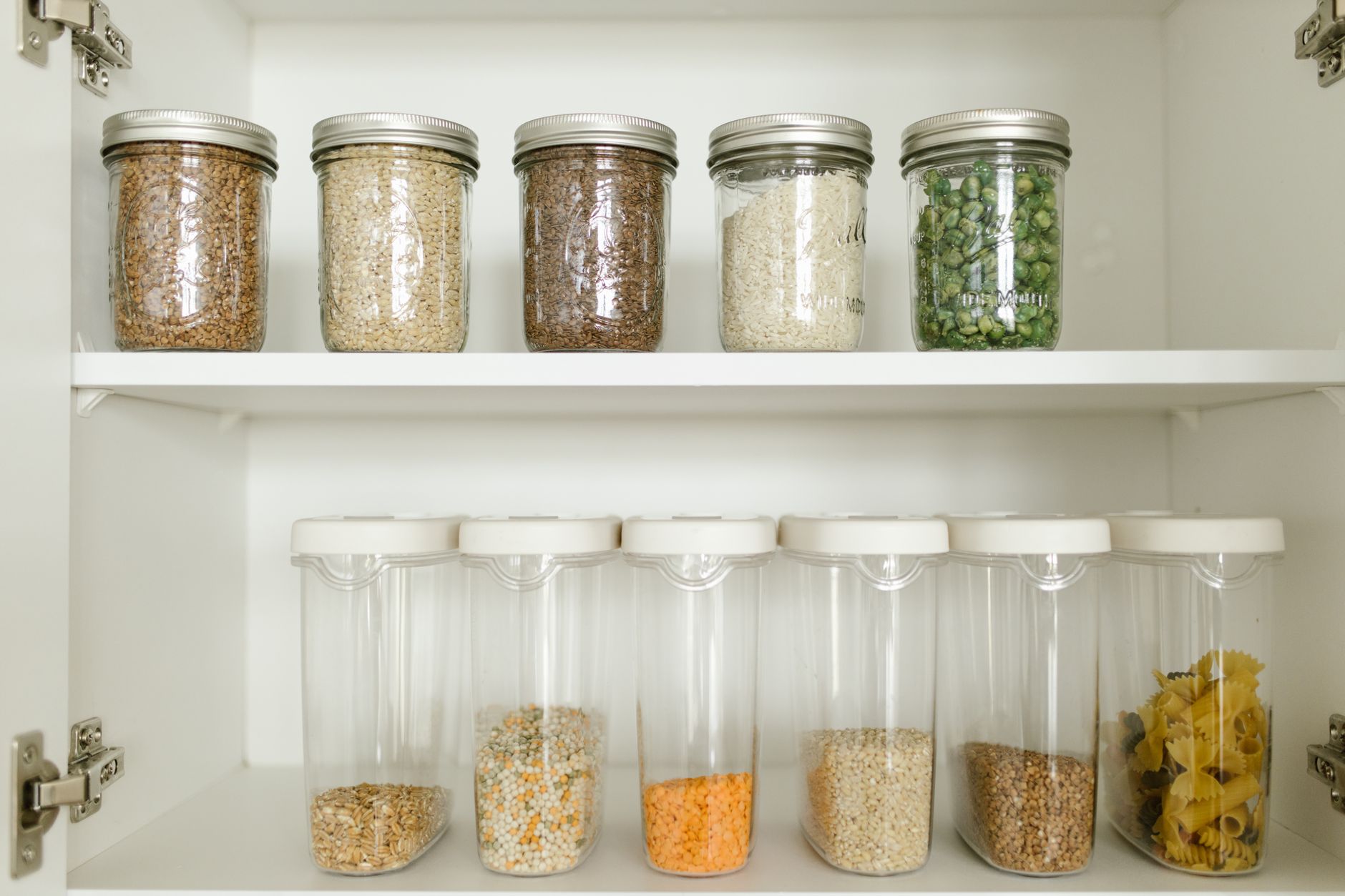
🥡 Food Storage
BPA, phthalates, and antimony from plastic containers — glass, stainless, and genuinely BPA-free options that don't leach into your food.
About ToxinFreeMaterials
The average American uses over 150 personal care products per day, sleeps on a mattress for 8 hours, and cooks in pans that may be releasing synthetic chemicals into their food. Most of this goes unexamined.
ToxinFreeMaterials exists to close that gap — with evidence-based guides to chemical exposures in everyday products, and honest reviews of safer alternatives. We cite the research, we check the certifications, and we don't recommend products we wouldn't use ourselves.
When you buy through our affiliate links, we may earn a commission at no extra cost to you. This keeps the site independent and free.
Common Questions
PFAS (per- and polyfluoroalkyl substances) are a family of over 12,000 synthetic chemicals used in non-stick cookware, water-resistant clothing, food packaging, and more. They're called "forever chemicals" because they don't break down in the environment or your body. Research links PFAS exposure to thyroid disease, kidney cancer, immune suppression, and hormonal disruption.
Any cookware marketed as "non-stick" and made before 2013 almost certainly contains PFOA (a legacy PFAS). Modern PTFE coatings are PFOA-free but still contain other PFAS compounds. To avoid PFAS entirely, choose stainless steel, cast iron, carbon steel, or ceramic cookware from brands that certify PFAS-free formulations.
Many conventional mattresses contain organophosphate flame retardants or PBDE chemicals that off-gas over time. The National Toxicology Program has flagged several of these chemicals as carcinogens or endocrine disruptors. Non-toxic mattresses use natural wool (which is naturally flame-resistant) or meet flammability standards without chemical additives.
Reverse osmosis and activated carbon block filters are the most effective methods for removing PFAS from tap water. NSF/ANSI 58 certified reverse osmosis systems and NSF 53-certified carbon filters are the gold standard. Brands like Clearly Filtered test specifically for PFAS removal and publish their lab results.
The EWG Skin Deep database rates over 90,000 personal care products on a 1-10 hazard scale based on ingredient toxicity data. Ingredients to watch for include parabens, phthalates, formaldehyde-releasing preservatives, and synthetic fragrances. Lower scores (1-2) indicate fewer concerns.